Private wells · Field questions, explained
Your Well Looks Clear After a Flood. What Should You Check Before Using It?
A practical evidence trail from safe access and professional assessment to purposeful sampling, results, and follow-up.
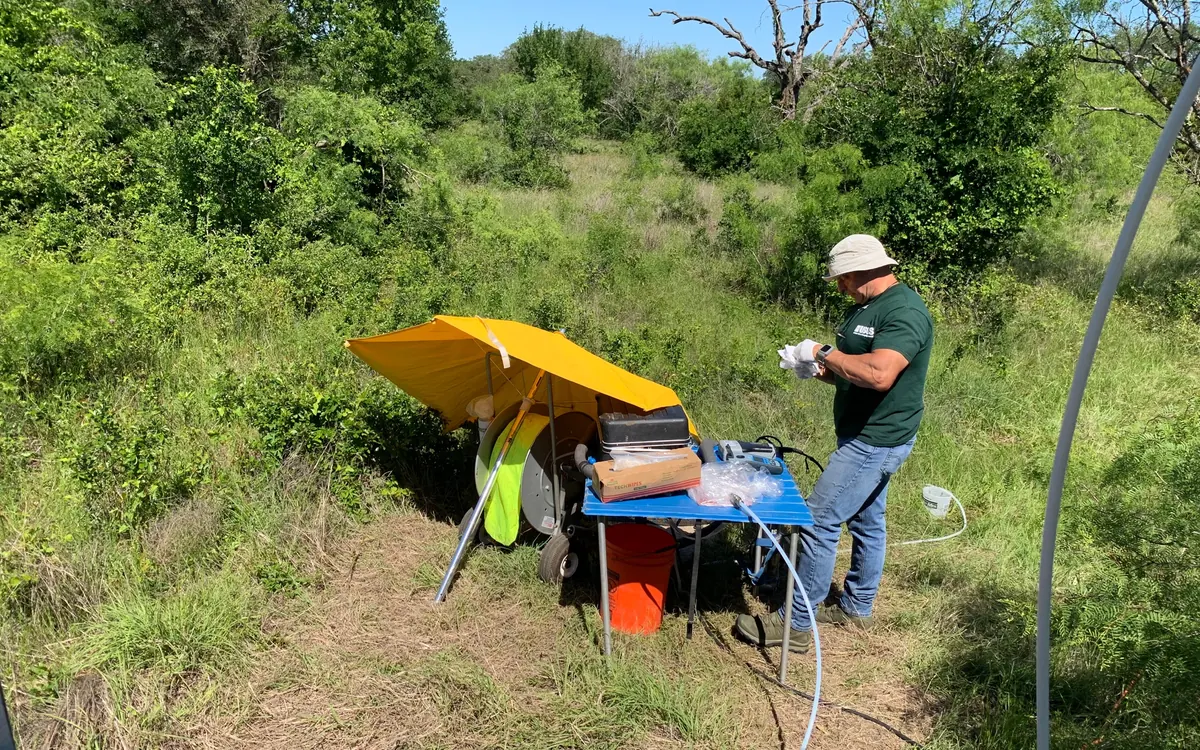
A flood can leave a private well looking ordinary while making its condition uncertain. The water may become clear before the well structure, electrical equipment, surrounding ground, and water quality have been assessed. A household understandably wants to return to normal quickly. The difficult part is that visual recovery and a defensible water-use decision do not necessarily happen on the same day. The safest planning approach is to treat the event as a sequence of questions rather than a single cleanup task.
This guide describes an editorial planning scenario, not a site inspection or a universal disinfection procedure. Local health agencies, qualified well professionals, and certified laboratories have roles that depend on the location and event. If water is suspected to be unsafe, use a safe alternative for drinking and food preparation while obtaining local advice. Do not enter floodwater, touch damaged electrical equipment, or open and work on a well without the appropriate professional support.
Separate immediate safety from water testing
The first decision concerns people and access, not sample bottles. Is the area accessible without entering moving water? Has electrical equipment been submerged? Is there damage around the wellhead or another nearby hazard? These questions require competent local assessment. A laboratory result cannot certify that a pump circuit, access route, or well structure is safe to approach.
Create two records: an incident log and a water-quality file. In the incident log, note the approximate flood period, whether the wellhead was submerged, visible damage observed from a safe location, and any official instructions. Keep photographs only when they can be taken safely. In the water-quality file, preserve previous reports and planned testing instructions. Separating these records prevents a later negative bacterial result from being mistaken for an inspection of physical damage. It also helps professionals see what happened without relying on a household's memory several weeks after the event.
Use local guidance before inventing a recovery recipe
Flood-recovery instructions can depend on well construction, local regulations, contamination sources, and the condition of the equipment. Wisconsin's public-health guidance, for example, advises people affected by flooding to use safe water while addressing well safety and testing. It directs owners toward professional help and bacterial testing. That is a useful model of a staged response, but its detailed procedures should not be treated as the law or technical specification for every country.
Ask the local authority which professional should inspect the well, what conditions must be met before sampling, and which tests are appropriate. A homeowner's improvised treatment can interfere with interpretation if the sample is collected at the wrong time or location. This article deliberately does not give a chemical dosage or an equipment-opening procedure. The objective is to obtain a documented recovery plan that matches the actual well, rather than an online checklist whose assumptions may not apply.
Reconstruct the exposure pathway
Floodwater can reach a water system through different routes. The wellhead may have been overtopped, surface drainage may have changed, or components may have been damaged. Nearby fuel storage, waste facilities, septic systems, or agricultural operations may alter the questions a local assessor asks. A general bacterial screen does not answer every possible question about those sources.
Draw a simple site sketch from existing records and safe observations. Mark the well, buildings, known drainage directions, and potential sources that were affected. Label uncertain information rather than guessing. The sketch is a conversation tool, not a groundwater-flow model. It helps a well professional decide what requires inspection and helps the health agency consider whether additional chemical testing is justified. Avoid assigning blame based on proximity alone. Establishing the origin of contamination requires evidence about pathways and timing, and a nearby land use is a reason to investigate rather than proof of responsibility.
Agree on the sample location and timing
Before a laboratory sends containers, explain what the sample is intended to represent. Untreated well water, water after a household treatment device, and water from a seldom-used indoor tap can produce different information. Ask which location is appropriate for the recovery decision and whether any professional work must be completed first. Record the answer with the instructions.
Collection timing matters as much as location. Recent disinfection, repair, unusual pumping, or treatment changes may affect results. Follow the relevant professional and laboratory instructions rather than selecting an arbitrary waiting period from another jurisdiction. Ask whether confirmatory testing will be required and what conditions should remain unchanged between samples. The complete plan should identify who collects the sample, how it is handled, the laboratory deadline, the parameters requested, and who interprets the report. Writing these details before collection is easier than reconstructing them after an ambiguous result has arrived.
Read a bacterial report as a specific observation
A report may include total coliforms and E. coli, together with method details, sample dates, and laboratory comments. Those entries should be interpreted with the laboratory or responsible health agency. A result applies to the sample analyzed; it does not prove that every location in the system was equally represented or that future conditions cannot change. An invalid or compromised sample is not a reassuring result.
Keep the full report, including any notes about transport conditions, holding times, or sample suitability. If follow-up is recommended, record the reason and the planned next step. Do not replace the report with a household message saying simply “the water passed.” That phrase conceals which parameters were tested and what remains unexamined. A better record states the collection point, date, tests performed, result interpretation provided by the responsible professional, and any remaining conditions. This format also makes later comparisons possible without implying a permanent certificate of safety.
A flood test does not replace a long-term baseline
Event-driven testing and routine monitoring answer different questions. The CDC's private-well testing guidance recommends annual testing for total coliform bacteria, nitrates, total dissolved solids, and pH, with additional tests informed by local conditions. That United States guidance is a starting point for discussion, not a universal panel for every geological setting or jurisdiction.
If a well already had elevated nitrate or a naturally occurring contaminant before the flood, a post-event bacterial result does not erase that history. Bring earlier reports into the recovery discussion. Conversely, do not assume that every changed result was caused by the flood when methods or sampling points differ. Build a table that keeps routine observations, event samples, and post-repair checks in separate groups. A well-managed record can distinguish immediate recovery from longer-term water-quality management and prevent the urgency of one event from hiding an older unresolved problem.
Plan practical water access while waiting
Testing and professional work can take time. Households need a realistic interim arrangement rather than a vague instruction to be careful. Ask the local authority what uses require an alternative supply under the circumstances and which available sources are appropriate. Consider drinking, cooking, infant feeding, ice, and other activities identified in the guidance you receive. Medical questions, particularly for vulnerable household members, belong with qualified health professionals.
Record where the alternative water comes from and how it will be stored according to the supplier's instructions. Do not assume that boiling addresses every chemical concern; follow the advice relevant to the suspected hazard. Coordinate with landlords or shared-well managers if responsibility is divided. A recovery plan that ignores money, transport, language, disability, or caregiving can fail even when its laboratory component is excellent. Community assistance is often most useful when it connects people to reliable water access and qualified support while the technical questions are resolved.
Close the incident with evidence, not a calendar date
A household may be told that a well is usually restored within a certain period. That expectation is not evidence that this particular system has met the conditions for return to use. The closing record should describe what was inspected, what repairs or professional treatment occurred, which samples were collected afterward, and who provided the interpretation. Keep unresolved conditions visible instead of marking the entire event complete because the yard has dried.
If different professionals provide conflicting instructions, ask them to reconcile the specific issue in writing. The disagreement may concern different water uses, different sample points, or different assumptions about prior work. Sharing the incident log and complete reports often makes the gap clearer. The owner should not be expected to improvise between technical procedures. A documented decision trail is particularly useful for shared wells and rental properties, where people who did not witness the flood may later need to understand why a decision was made.
Make the next event easier to manage
Once immediate recovery is complete, review what information was hardest to obtain. Locate the construction record, identify the correct local contacts, and keep laboratory instructions accessible. Discuss drainage or structural concerns with the appropriate professional. Store essential records somewhere that will remain available if the property is inaccessible or household devices are damaged.
A simple preparedness sheet can list the well identifier, responsible owner or manager, laboratory contact, health-agency contact, and location of earlier reports. It should not contain a self-written disinfection recipe. Review it when ownership, equipment, or contact details change. The lesson from a flood is not that every well needs the same response. It is that a clear sequence of safe access, professional assessment, purposeful sampling, interpretation, and follow-up makes uncertainty manageable. Water that looks normal deserves the same careful evidence trail as water whose appearance makes a problem obvious.
If the property changes hands after recovery, pass the incident record to the next responsible owner or manager through an appropriate private channel. Include the professional reports, laboratory documents, and any recommended follow-up. A brief handover can prevent the next user from treating an old recovery sample as a permanent assessment of the system. Keep personal details protected while preserving the technical history that future professionals may need to interpret a new concern or plan routine monitoring.
Methodology, sources, and limitations
Method: Desk-based explanation using the primary sources below, checked on November 14, 2026. Examples and workflows are hypothetical unless explicitly attributed. No original field campaign, laboratory analysis, interviews, or independent expert review are claimed.
Scope: A practical evidence trail from safe access and professional assessment to purposeful sampling, results, and follow-up. Findings apply only within each source’s stated setting, methods, and date. This guide does not certify a supply, diagnose exposure, or replace a qualified local assessment.
Read our editorial standards and correction and contact status. Review date: .